
Contact Us
White Edges, Dry Fibers, and Bubbles: A Practical Guide to Epoxy Laminate Quality
If you buy, machine, or inspect fiberglass epoxy board, you already know this: surface defects are never just cosmetic. A small white edge, a few dry fibers, or a faint stain can compromise insulation performance, ruin machining accuracy, and create serious reliability problems downstream.
This guide breaks down what fiberglass epoxy board actually is, the six defects you are most likely to see, how to inspect incoming material, and what to ask your supplier.
Know Your Material First
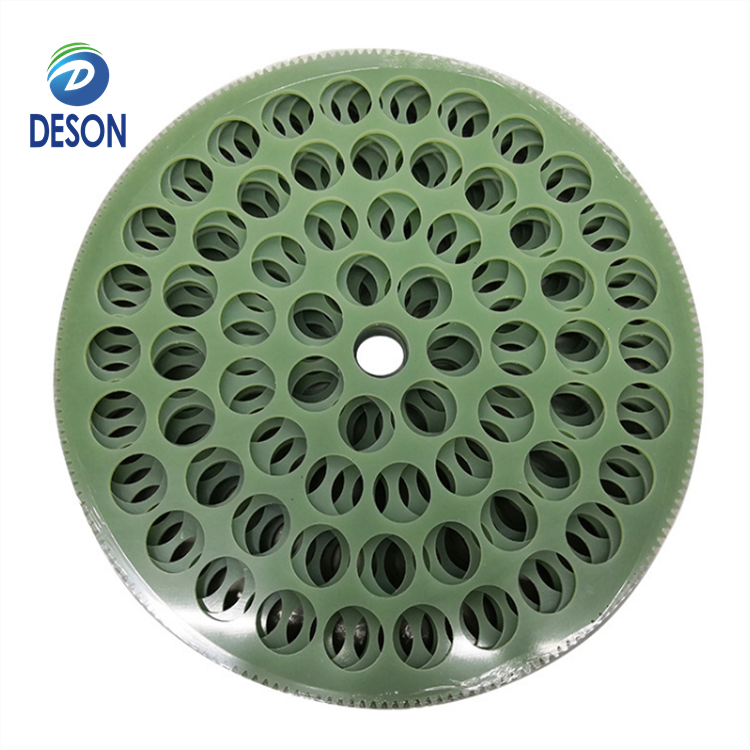
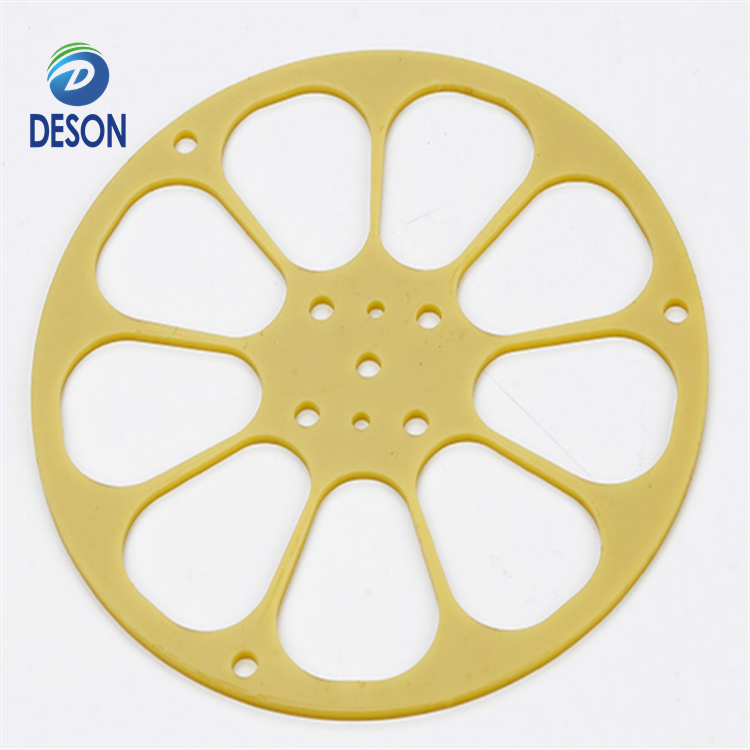
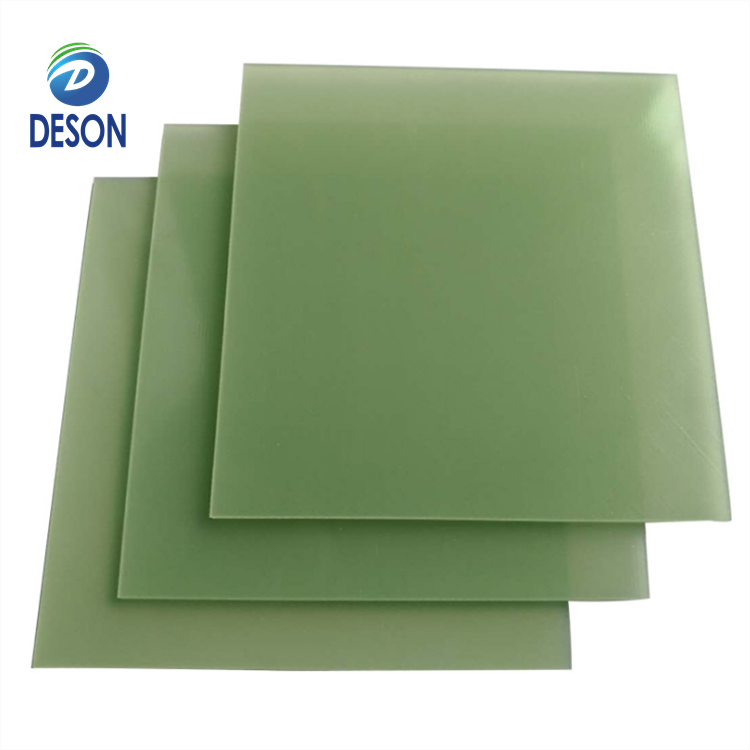
Fiberglass epoxy board is a glass cloth reinforced epoxy laminate. It is a general-purpose electrical insulation board used across switchgear, motors, transformers, and industrial equipment.
But here is a common mistake: it is not the same as transformer laminate. The two are different materials with different performance requirements. If you simply order “laminate board” without specifying, you may receive a product that does not match your application. Before purchasing, confirm the exact grade and specification.
Common grades include 3240, FR4, and G10. They share a similar base concept but differ in resin systems, temperature resistance, flame retardancy, and mechanical properties. Do not assume they are interchangeable.
Six Common Defects and Their Root Causes
Each defect below follows the same pattern: what it looks like, why it happens, and how a good process prevents it.
1. White Edges
What it looks like: Pale or resin-poor areas along the edges, sometimes with visible glass cloth fibers.
Why it happens: Layer misalignment during lay-up, or leftover cloth debris trapped at the edges.
How to prevent it: Strict lay-up discipline, precise layer alignment, and clean cutting areas. Suppliers should inspect edge quality before and after pressing.
2. Dry Fibers / Dry Weave
What it looks like: Visible fiber-like dry lines or dull streaks on the board surface.
Why it happens: Excessive hot press pressure, or aged prepreg with low resin flow.
How to prevent it: Control press pressure and temperature profiles carefully. Use fresh prepreg within its shelf life and monitor resin content regularly.
3. Surface Pits / Dents
What it looks like: Shallow depressions, dents, or irregular marks on the surface.
Why it happens: Dirty or deformed press plates and caul plates.
How to prevent it: Keep press plates clean and flat. Replace deformed tooling on a scheduled basis, not only after failures occur.
4. Stains / Black Spots
What it looks like: Dark specks, stains, or discolored areas embedded in the surface or just below it.
Why it happens: Foreign particles trapped during lay-up or pressing.
How to prevent it: Maintain a clean lay-up environment, use filtered air where possible, and inspect raw materials before they enter production.
5. Interlaminar Bubbles / Blisters
What it looks like: Raised bubbles or voids between layers, often visible on cut edges or machined cross-sections.
Why it happens: Oil contamination on the glass cloth, or adhesive tape residue left in the lay-up.
How to prevent it: Handle glass cloth with clean gloves, prohibit adhesive tape in the lay-up zone, and verify surface cleanliness before pressing.
6. Color Variation
What it looks like: Inconsistent shade across one board or between different batches.
Why it happens: Inconsistent lay-up process, variations in resin mixing, or uneven cure cycles.
How to prevent it: Standardize the lay-up sequence and curing parameters. Document every batch so that traceability is possible.
Quality Control and Incoming Inspection
A reliable supplier should not rely on final sorting alone. They need real process controls:
- Lay-up discipline
- Hot press parameter control
- Raw material cleanliness
- Multiple visual inspections during production
But your responsibility does not end at the purchase order. When material arrives:
- Inspect under sufficient light — dim warehouse lighting hides too many defects.
- Check edges, surfaces, and cut cross-sections.
- Measure thickness at several points.
- If you find defects, do not simply reject the board without evidence. Record, photograph, isolate, and then communicate with the supplier.
Good documentation protects both sides and makes corrective action much faster.
Common Questions
Are 3240, FR4, and G10 the same?
No. They belong to the same broad family of glass epoxy laminates, but they use different resin systems and have different performance characteristics. Always specify the exact grade your application requires.
Is zero-defect material realistic?
No. Even a well-run process will occasionally produce a defective board. The goal is not perfection. The goal is a controlled process plus a practical incoming inspection routine that catches issues before they reach production.
Final Thought
Quality fiberglass epoxy board is not about hoping for the best. It is about specifying the right grade, knowing the common failure modes, and inspecting systematically.
Work with suppliers who can explain their process controls — not just their price.
【Click Here】to know more about epoxy board