
Contact Us
From Behind the Scenes to Center Stage: How Insulating Materials Like PC and PET Became the Hidden Foundation of Curved Displays
The rapid advancement of consumer electronics, particularly the shift towards curved and foldable displays, demands materials that can seamlessly integrate optical performance with mechanical reliability. Polycarbonate (PC), polyethylene (PET), and other engineered insulation materials, traditionally confined to behind-the-scenes roles in electrical insulation, have emerged as critical enablers of this display revolution. By offering a unique combination of optical clarity, flexibility, and dielectric strength, these polymer materials are stepping out of the shadows to form the very foundation of next-generation displays.
The Performance Challenge in Modern Displays
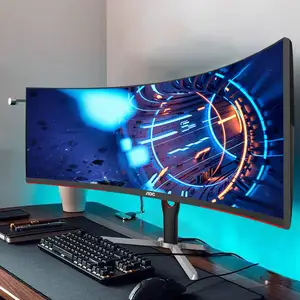
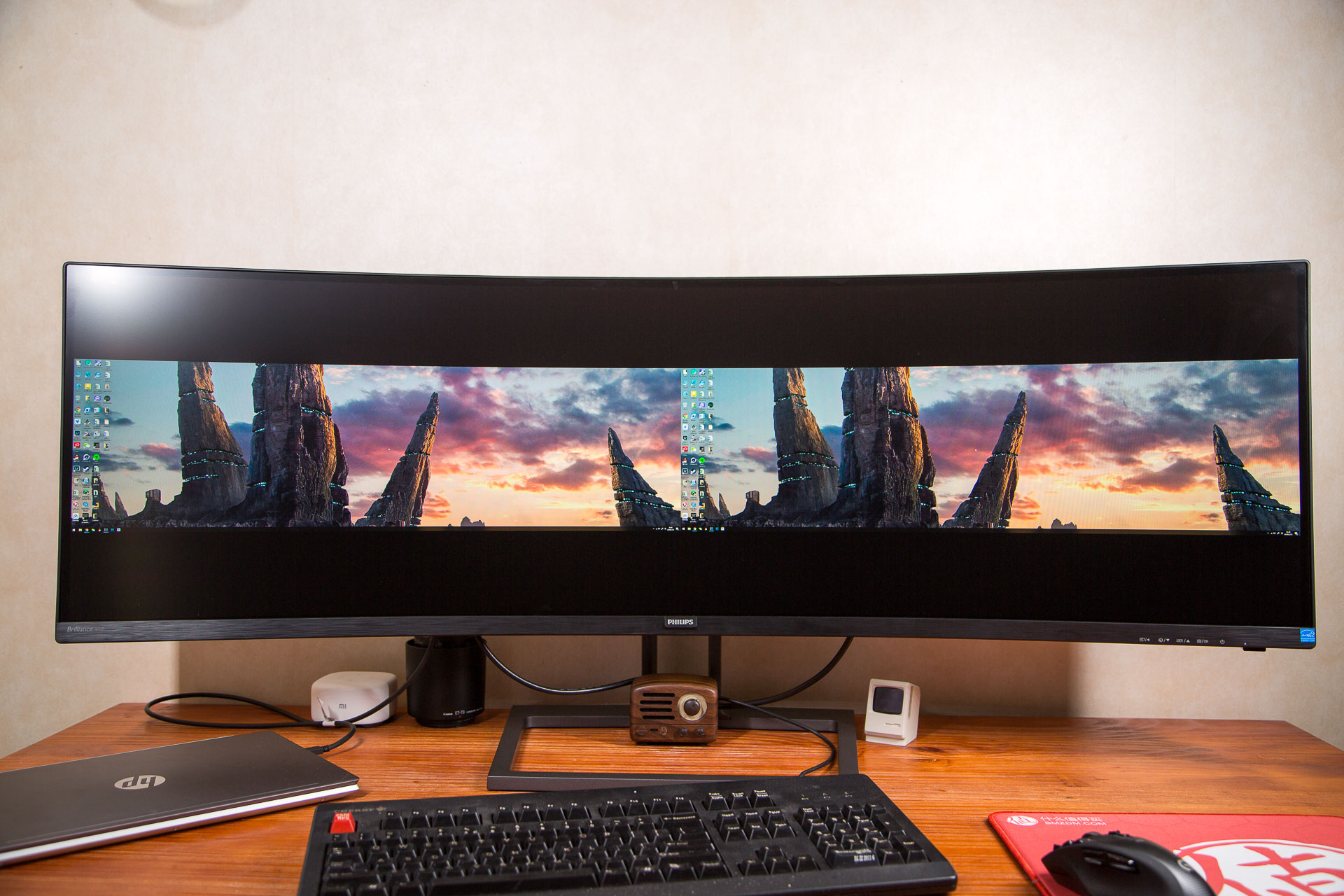
In the evolution from rigid glass screens to curved, foldable, and flexible displays, components face unprecedented operational stresses. The fundamental challenge lies in replacing traditional glass substrates with materials that can bend without breaking, while still protecting the sensitive electronic components within. Curved screens must maintain uniform performance across their entire surface, flexible devices require materials that can withstand repeated folding, and all displays demand impeccable optical quality.
These conditions create several critical requirements: substrates must provide a smooth, dimensionally stable foundation for thin-film transistors (TFTs); they must offer barrier properties to protect organic light-emitting materials from moisture and oxygen; and they must maintain electrical insulation integrity while being constantly flexed. This underscores the need for materials that go far beyond conventional insulation roles.
How PC and PET Meet These Advanced Demands
Polycarbonate (PC) and polyethylene (PET), alongside other engineered polymers like polyethersulfone (PES), are engineered with a combination of key properties that directly address the vulnerabilities in modern display applications :
①Optical Transparency and Surface Quality: High-grade PC films can be produced with double-side polishing in cleanroom environments, achieving the optical clarity necessary for LCD windows and lens applications. When combined with anti-glare coatings, these materials provide the visual performance required for direct-viewing applications.
②Mechanical Flexibility and Toughness: Unlike rigid glass, polymer substrates offer inherent flexibility. PC/PET alloy films exhibit outstanding cold forming properties, allowing them to be shaped into curved displays through high-pressure or oil-pressure forming processes. This excellent ductility enables the creation of curved smartphone screens that better fit the hand and curved televisions that offer enhanced immersive experiences.
③Dielectric Strength and Insulation: Maintaining their heritage as insulation materials, PC and PET provide robust electrical isolation for the delicate circuitry within displays. Research has shown that ITO (indium-tin-oxide) films deposited on these polymer substrates can achieve good electrical conductivity (20-25 Ω/□) while maintaining high transmittance (above 80%), ensuring that the display's touch functionality and pixel control remain reliable even as the screen flexes.
④Thermal Stability and Barrier Properties: Advanced PET composites are being developed with enhanced thermal stability and electrical properties for demanding applications. Furthermore, multilayer thin-film encapsulation techniques using materials like silicon nitride, deposited at low temperatures on polymer substrates, create effective barriers against moisture and oxygen—critical for extending the lifespan of OLED displays.
Key Applications in Curved and Flexible Displays
The properties of PC and PET make them suitable for several critical roles in modern display technology:
①Flexible Display Substrates: PC and PET films serve as the foundational base upon which display circuitry is built. Their ability to be manufactured in ultra-thin gauges (as thin as 0.05mm) while providing a smooth, stable surface allows for the creation of lightweight, shatter-resistant displays that can be bent or folded. These plastic-based substrates are essential for the growing market of foldable phones and wearable devices.
②Curved Screen Protection and Aesthetics: Beyond the active display area, PC films are used in membrane switches, nameplates, and decorative trim for electronic devices. The material's ability to be formed into durable, curved shapes with various textures and finishes makes it ideal for the sleek, contoured housings of modern smartphones, tablets, and automotive displays, where it also provides reliable electrical insulation for internal components.
③Encapsulation and Environmental Protection: To combat the vulnerability of OLEDs to environmental degradation, multilayer thin-film encapsulation (TFE) technologies rely on polymer substrates. These systems, incorporating layers deposited on plastic films, create a protective barrier that prevents moisture and oxygen ingress, directly addressing a primary failure mechanism in flexible AMOLED displays and ensuring long-term device durability.
Conclusion
In the rapidly evolving landscape of consumer electronics, the journey from rigid glass to immersive curved and flexible displays is paved with advanced polymer materials. PC, PET, and their composites provide proven, reliable solutions that directly enhance the flexibility, durability, and visual performance of modern screens. Transitioning from their traditional role as hidden insulators, these versatile materials now stand as the transparent, robust foundation upon which the future of display technology is being built. Contact our technical team to discuss your application and request your complimentary testing samples.